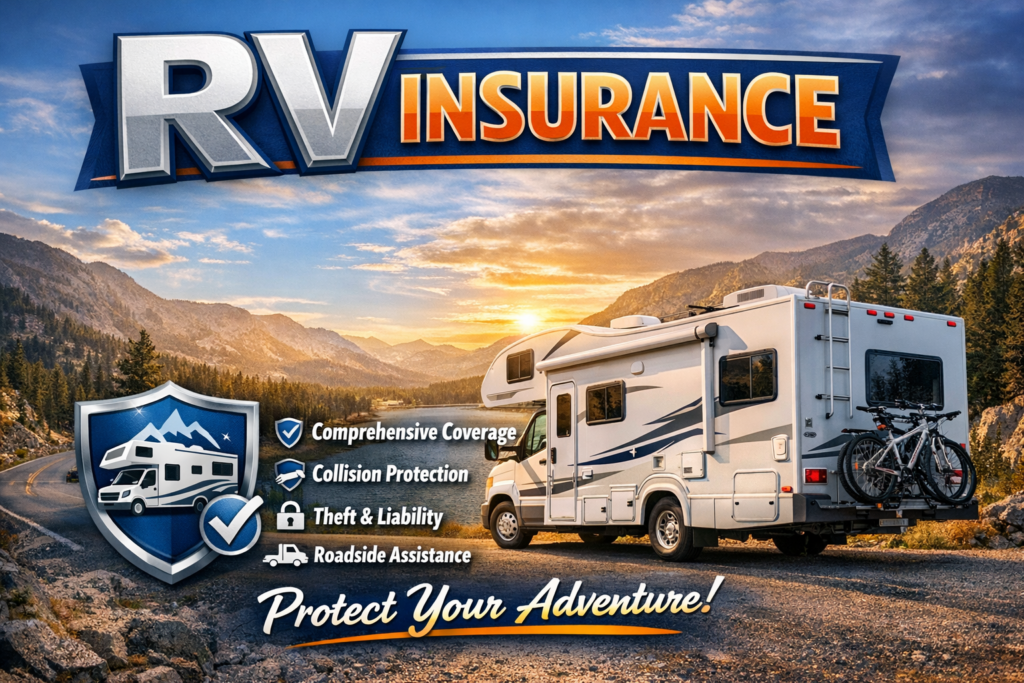
Recreational vehicles open up a world of adventure and freedom. However, owning an RV also comes with responsibility. Different Types of RV Insurance help protect your vehicle, your investment, and your peace of mind. Exploring the different types of RV insurance allows you to make informed choices. Understanding each coverage option is essential, whether you use your RV for weekend getaways or as a full-time residence. Let's review the essential types of RV insurance and what each one offers.
Understanding the Basics of Different Types Of RV Insurance
RV insurance goes beyond standard automobile insurance in several important ways. Since recreational vehicles serve as both a mode of transportation and a temporary home, they require unique protection. When you purchase RV insurance, you receive coverage tailored for both the road and your living space.
Liability coverage is one of the most fundamental parts of any RV insurance policy. It helps pay for bodily injury and property damage to others if you cause an accident. Every state has its own minimum liability coverage requirements, so it is wise to check local laws before choosing a policy.
In addition to liability coverage, RV insurance typically protects against physical damage. Many policies cover theft, vandalism, fire, and even weather-related incidents. By understanding the basics, you lay a strong foundation for more specific and comprehensive coverage options.
Comprehensive and Collision RV Insurance Explained
Comprehensive coverage shields your RV from non-collision events. For example, it pays for damage caused by theft, fire, natural disasters, or falling objects. Many RV owners value comprehensive coverage because it fills in the gaps left by standard liability insurance.
Collision coverage, on the other hand, kicks in if your RV hits another vehicle or object. It can help repair or replace your RV after an accident, regardless of fault. Without collision protection, you may face steep repair bills from even minor accidents.
Both comprehensive and collision coverage typically include deductibles. You select the deductible amount, balancing monthly premiums and out-of-pocket costs if you file a claim. By combining both options, you create a safety net for many unexpected events on and off the road.
Personal Liability and Medical Payments Protection
Personal liability coverage in an RV insurance policy helps safeguard your financial future. If you are found responsible for injuring someone or damaging their property, liability coverage handles legal fees and settlements. This type of coverage becomes especially important when traveling to unfamiliar places where the risk of accidents may be higher.
Medical payments coverage covers medical expenses. If you or your passengers are injured in an accident, medical payments coverage can help cover related expenses. This feature provides peace of mind knowing you have help with bills for ambulance rides, hospital stays, and even minor treatments.
Including personal liability and medical payments protection in your policy strengthens your overall coverage. You not only protect your RV and belongings, but also support the well-being of both your passengers and others on the road. Reviewing this coverage ensures you are not left vulnerable during an emergency.
Specialized RV Insurance for Full-Time RVers
Full-time RVers live in their vehicles for most or all of the year. Because they use their RVs as primary residences, their insurance needs differ significantly from those of occasional travelers. Specialized full-timer insurance offers higher limits and additional features tailored for long-term living.
One of the main features of full-timer policies is personal liability coverage, similar to what homeowners' insurance provides. It covers you if someone gets injured while visiting your RV or if you accidentally damage property while parked. Full-time insurance may also include coverage for your personal belongings, protecting everything from electronics to kitchenware.
Full-time RV policies sometimes include loss-of-use coverage. If your RV becomes uninhabitable due to a covered event, loss-of-use coverage helps pay for temporary housing and related expenses. Transitioning to full-time RV living becomes much easier when you know your home on wheels is protected.
Optional Add-Ons and Customization for More Security
Standard RV insurance policies provide broad coverage, but optional add-ons can offer even greater protection. Roadside assistance is a popular choice, providing help with flat tires, battery jumps, or towing if your RV breaks down. Many travelers find comfort knowing help is just a phone call away, no matter where they roam.
Vacation liability coverage is another valuable add-on, especially if you park at campgrounds or RV parks. It pays for accidental injuries to visitors while your RV is parked and set up as a temporary residence. Many insurers also offer pet injury coverage, which helps pay for vet bills if your furry companion gets hurt during a covered accident.
Other customizations include total loss replacement, windshield coverage, and emergency expense coverage. These options let you build an insurance policy that matches your travel style and risk tolerance. When you tailor your coverage, you gain extra peace of mind and enjoy your adventures with fewer worries.
Conclusion
Choosing the right RV insurance involves understanding your unique needs and the variety of coverage options available. From basic liability to comprehensive and collision protection, each element of RV insurance serves a distinct purpose. Adding personal liability and medical payments protection strengthens your financial security, while full-time RV insurance addresses the needs of those living on the road year-round. Optional add-ons and customizations provide additional ways to tailor your policy, helping you enjoy your travels with greater confidence. As you consider your options, always compare coverage details and limits from different insurers. Do not forget to ask about discounts for safe driving, storage periods, or bundled policies. When you fully understand your coverage, you protect both your vehicle and your dreams of adventure.